Film notes · The Odyssey
The Odyssey: How Far Must a Person Travel Before They Can Truly Come Home?
A hero's journey home—and a question about fate, war, trust, and the homes taken from others.
· 5 min read
At its surface, The Odyssey has always been a simple story: Odysseus wants to go home.
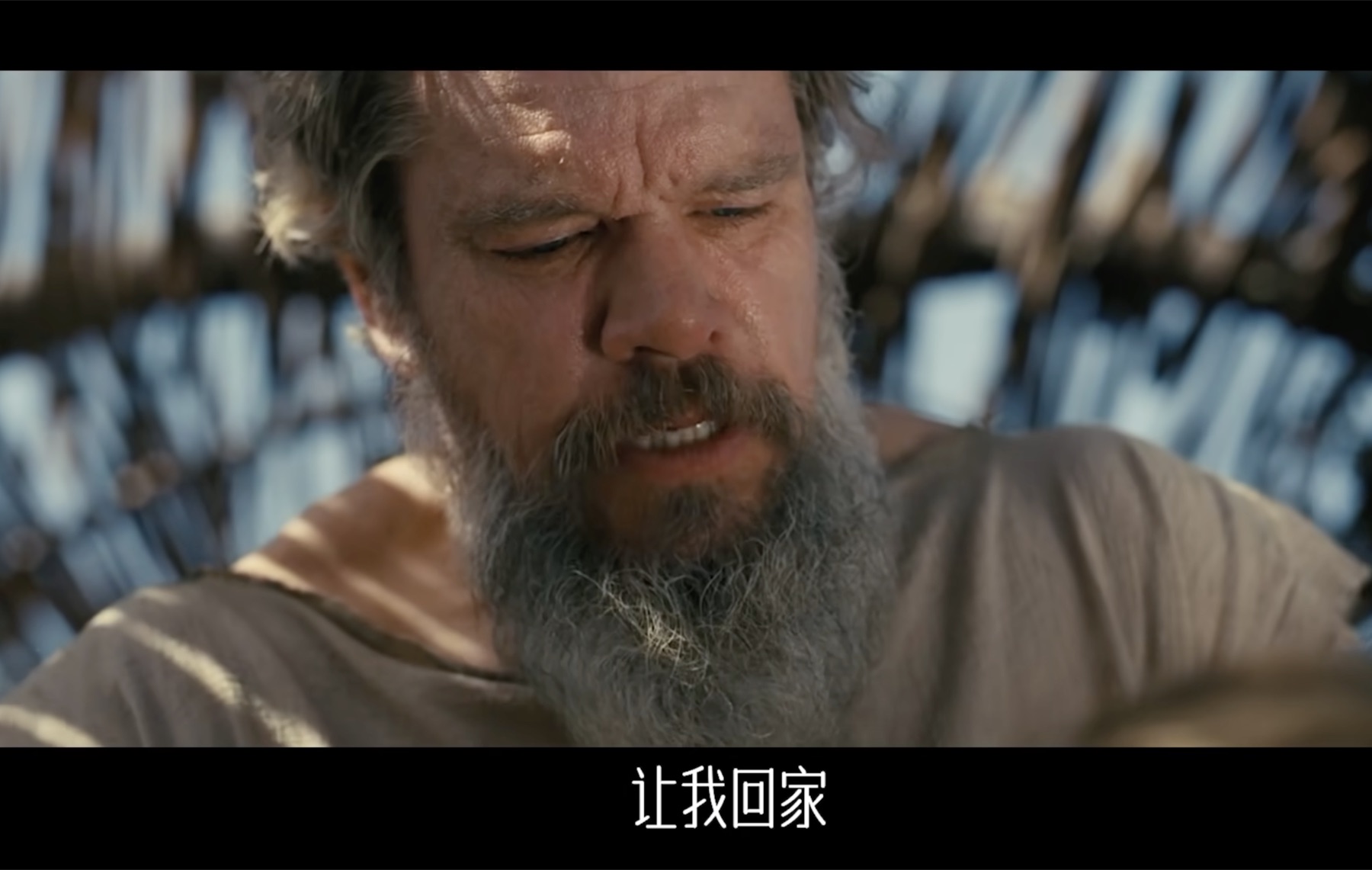
Odysseus drifts at sea for ten years. From the day he leaves Troy, his only thought is to return home. Yet the harder he tries, the fiercer the storm becomes. He wants to control the situation and his own fate, as though his destiny belongs to him alone. At last, someone tells him: you cannot control it.
“You are a man who always wants to control his own fate.”
“But the truth is, you cannot.”
“You must surrender to the storm.”
“Surrender to Poseidon.”
“Stop fighting fate. Stop trying to control it.”
“This leap of faith is the step you have never taken, Odysseus.”
Odysseus's real transformation is not that he bows to fate forever. He still wants to go home. He simply understands at last that he does not need to conquer everything along the way.
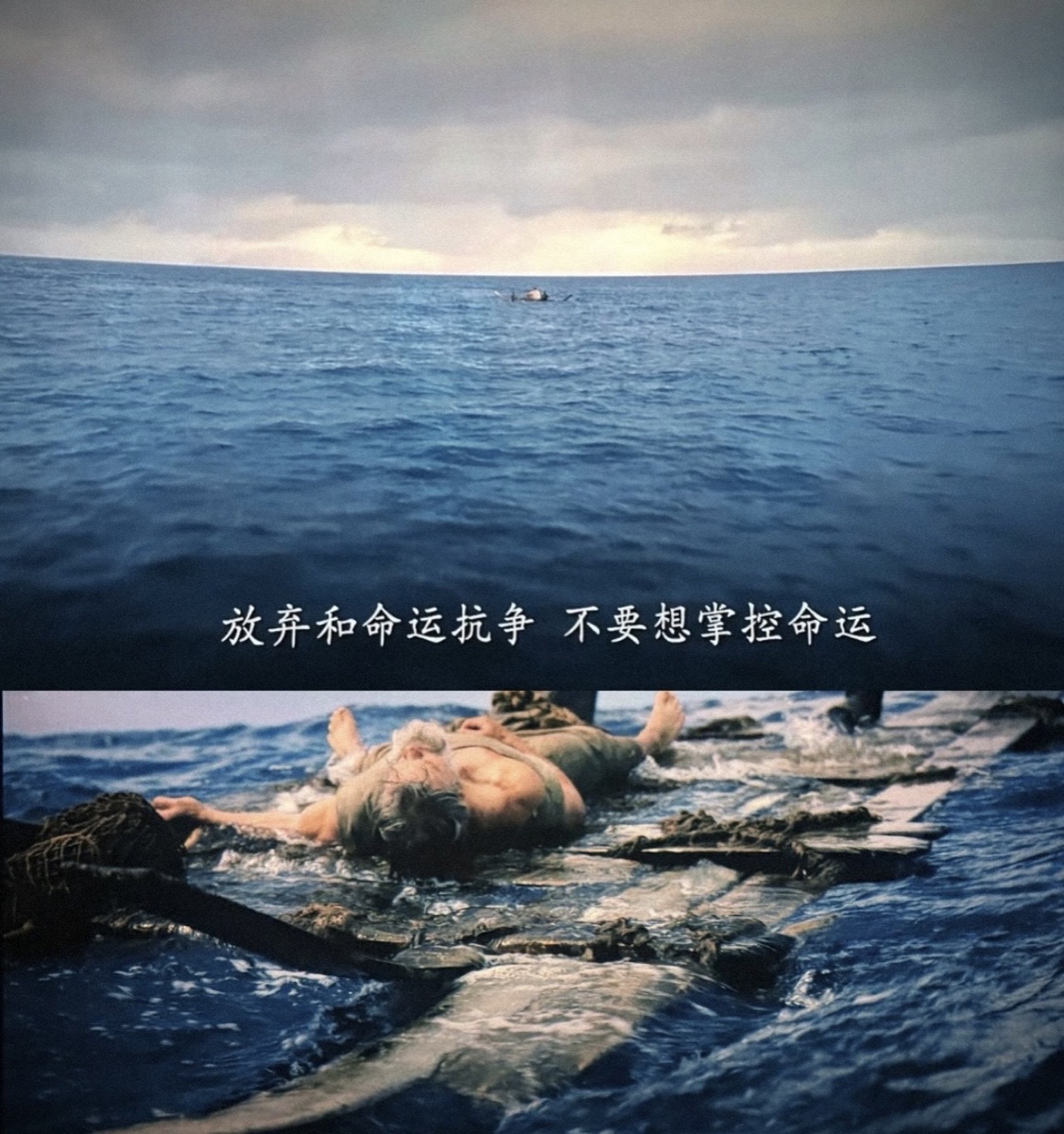
And it is at this moment that he truly moves one step closer to home.
But what really wounded me in the film was another thread.
Throughout his journey, Odysseus keeps hearing a frightening name: the Sea Peoples.
They appear from the sea, raid villages, and seize food. Coastal communities therefore begin to fear everyone who arrives by water.
When Odysseus and his men land in search of supplies, the locals flee at the sight of them.
Odysseus and his crew cannot understand it:
We are not the Sea Peoples. We are Ithacans who only want to go home.
But what if we stand where the villagers stand?
A group of armed strangers has landed from the sea. They need your food, and if you refuse, they are already prepared to use force.
Then what, exactly, separates them from the so-called Sea Peoples?
At that moment I noticed something deeply ironic.
Odysseus spends his journey searching for, fleeing from, and condemning “invaders from the sea.” Yet to the Trojans, was he not himself an invader who came from the sea?
To Odysseus, he is the hero who ended the war. To ordinary people inside Troy, he brought not glory but a broken city, death, and the loss of home.
Suddenly, the word “home” carries another kind of weight.
Odysseus keeps saying: I want to go home.
But what about those who died in Troy? They had homes too.
He suffers because he cannot return to Ithaca for ten years. But how many people did his victory leave with nowhere to return to at all?
This is why Athena's presence in the film feels so important to me.
In Odysseus's memories of Troy, a Trojan woman killed by Greek soldiers has the same face as Athena.
I do not want to reduce this to saying that Athena is simply his conscience.
I would rather say that, from Troy onward, Odysseus's conscience has a face—and it is the face of a victim.
In Troy, he can turn away and refuse to witness the woman's death. During the long journey home, however, that face returns to him again and again.
Odysseus remembers: we defeated Troy.
Athena keeps forcing him to complete the sentence: but what did they lose?
She gives this hero his first chance to step outside his own story and see himself from another person's position. She forces him, for the first time, to look at Troy without the eyes of a victor.
In his story, Troy means victory. In the woman's face, Troy means death.
The wooden horse is therefore more than a brilliant tactic of war.
It also destroys something more fragile: trust.
The ancient Greek idea of xenia asks people to treat strangers at their door with hospitality. Travel, trade, and exchange can continue only because a stranger may trust that another door could open.
But Odysseus turns a “gift” into a weapon.
A gift once meant goodwill. After the wooden horse, a gift might also hide the people who intend to kill you.
What is truly terrifying about the wooden horse may not be only that it destroys Troy. Odysseus proves something dangerous: for victory, even the most basic trust between people can be exploited. On the journey that follows, he seems to move through a world whose rules have stopped working—the Laestrygonians raise weapons at strangers on sight, while the 108 suitors in his own palace trample the laws of hospitality.
He once crossed the rules in order to win, only to discover that he now lives in a world where fewer and fewer people are willing to trust those rules.
《奥德赛》最表层的故事,其实一直很简单: 奥德修斯想回家。
奥德修斯在海上漂了十年,从特洛伊出发的那天起,他唯一的念头就是回家。但是在路上,他越用力,风暴越大。他想掌控局势,想掌控自己的命运,似乎在他眼里,我命由我不由天。最后有人告诉他:你掌控不了。
“你是个总想掌控自己命运的人。”
“但其实你掌控不了。”
“你必须向暴风雨屈服。”
“向波塞冬屈服。”
“放弃和命运抗争,不要想掌控命运。”
“这一信仰之跃,是你从未迈出的一步,奥德修斯。”
可奥德修斯真正的转变并不是从此向命运低头,他还是要回家,只是他终于明白,回家的路上并不需要他战胜一切。
而也正是在这一刻,他才真正离家更近了一步。
但电影真正刺痛我的,是另一条线。
奥德修斯一路都在听说一个可怕的名字:海民。
他们从海上出现,袭击村庄,夺取食物,所以沿海的人开始恐惧所有从海上来的人。
当奥德修斯一行人登陆寻找补给时,当地人看到他们便逃跑了。
奥德修斯他们很不理解:
我们不是海民。我们只是想回家的伊萨卡人。
可是如果站到那些村民的位置上呢?
一群陌生男人从海上登陆,带着武器,需要你的粮食,如果你不给,他们甚至已经准备动武。
那么——他们和所谓的海民,到底有什么区别?
这时候我突然发现了一件很讽刺的事:
奥德修斯一直在寻找、躲避、谴责“海上的侵略者”。可对于特洛伊人来说,他自己不正是那个从海上来的侵略者吗?
对奥德修斯来说,他是结束战争的英雄。可对于特洛伊城里的普通人来说,他带来的不是荣耀,而是城破、死亡和失去家园。
于是“回家”这两个字突然有了另一层重量。
奥德修斯一路都在说:我要回家。
可那些死在特洛伊的人呢?他们也有家。
他如此痛苦,是因为自己十年无法回到伊萨卡。可他的胜利,又让多少人永远失去了可以回去的地方?
所以我觉得,雅典娜在电影里的出现非常重要。
在奥德修斯关于特洛伊的记忆里,一个被希腊士兵杀死的特洛伊女人,拥有和雅典娜相同的脸。
我不愿意简单地说:雅典娜就是他的良知。
我更愿意说:从特洛伊开始,奥德修斯的良知有了一张脸。而且偏偏是一张受害者的脸。
在特洛伊,他可以转过头,不去看那个女人的死亡。可在之后漫长的归途中,那张脸一次又一次重新出现在他的面前。
奥德修斯记住的是:我们赢了特洛伊。
而雅典娜不断逼着他补上另一半:可是他们失去了什么?
她让这个英雄第一次有机会离开自己的故事,站到另一个人的位置看自己。他逼着奥德修斯第一次不用胜利者的眼睛看特洛伊。
在他的故事里,特洛伊意味着胜利;在那张女人的脸上,特洛伊意味着死亡。
木马计也因此不只是一个聪明的战争计谋。
它还破坏了一样更加脆弱的东西:信任。
古希腊的 xenia 要求人们善待来到门前的陌生人。因为一个陌生人只有相信另一扇门可能为自己打开,旅行、贸易和交流才有可能继续。
可是奥德修斯把“礼物”变成了武器。
原本,礼物意味着善意。木马以后,礼物里面也可能藏着要杀你的人。
《木马记》真正可怕的地方,也许不只是它毁掉了特洛伊,而是奥德修斯证明了一件危险的事情:为了胜利,人和人之间最基本的信任也可以被利用。此后的归途中,他仿佛不断走进一个规则已经失效的世界——莱斯特律戈涅斯人见到陌生人便举起武器,他自己宫殿里的108个求婚者也肆意践踏宾客法则。
他曾经为了赢而跨越规则,最后却发现,自己活在一个越来越没有人愿意相信规则的世界里。